
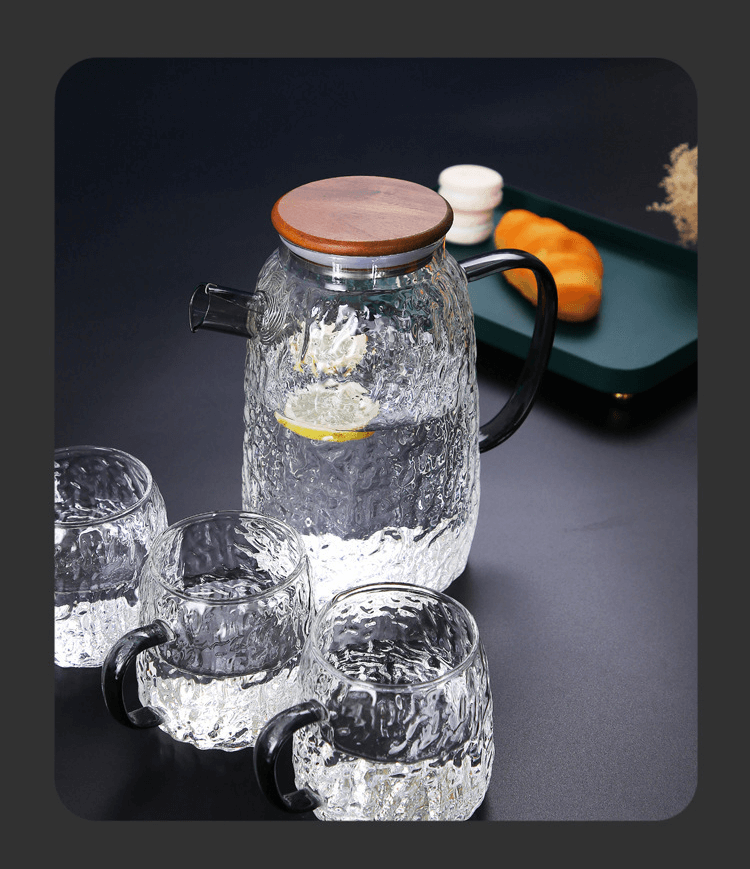
It starts with something ordinary, a meeting room, a dining table, or a casual gathering. A personalized pitcher is placed at the center, filled with water or juice, passed from one person to another without much thought. Conversations continue, decisions are made, and moments unfold.
Yet, what often goes unnoticed is how such a simple object quietly becomes part of the experience. Now imagine that same pitcher carrying a brand identity, subtle, refined, and integrated into the moment. It is no longer just a serving item. It becomes a silent communicator. This shift is changing how businesses think about branding.
Moving Away from Loud Marketing
For years, branding was associated with visibility, billboards, ads, and constant repetition. While those methods still exist, they are no longer the only way to build recognition.
Today, people are surrounded by digital noise. As a result, quieter forms of branding are gaining attention. These are methods that do not interrupt but instead blend into everyday life.
Objects used in daily routines are particularly effective. They do not demand attention, yet they remain present. Over time, they build familiarity in a way that feels natural rather than forced.
The Role of Functional Objects in Brand Recall
Functionality is one of the most overlooked aspects of branding. When an item serves a purpose, it earns its place in someone’s environment.
A pitcher, for instance, is not decorative alone. It is used repeatedly, during meals, meetings, and gatherings. Each use becomes a subtle interaction with the brand. This repeated exposure creates recognition without effort. It ensures that the brand is not just seen once but experienced multiple times in different contexts.
When designed thoughtfully, even something as simple as a custom logo printed pitchers can carry more impact than traditional promotional materials.
When Utility Meets Identity
The effectiveness of any branded item depends on how well it balances utility with identity. If the branding feels overwhelming, the object loses its appeal. If it is too subtle, it may go unnoticed.
The key lies in integration. The design should complement the object, not dominate it. This creates a sense of harmony, making the item both attractive and meaningful.
A well-designed personalized pitcher achieves this balance. It retains its primary function while subtly reinforcing the brand’s presence. This approach ensures that the item is used regularly, rather than stored away or forgotten.
The Shift Toward Experience-Based Branding
Branding is no longer just about recognition. It is about experience. Every interaction with a brand contributes to how it is perceived.
When someone pours a drink from a beautifully designed pitcher, the experience feels smooth and effortless. That feeling becomes associated with the brand itself.
This is the essence of experience-based branding. It focuses on how people feel, not just what they see. By integrating branding into functional objects, businesses create experiences that are both practical and memorable.
Longevity and Sustainability in Branding Choices
Another important factor in modern branding is longevity. Disposable items may offer short-term visibility, but they lack lasting impact.
Durable, reusable products provide ongoing value. They remain in use for months or even years, continuously reinforcing the brand.
Pitchers, especially those made from high-quality materials, align well with this approach. They support sustainable practices while also offering long-term visibility. This combination of durability and relevance makes them a smart choice for businesses looking to create meaningful connections.
Redefining What Promotional Products Can Be
The idea of advertising promotional products is evolving. It is no longer about distributing large quantities of generic items.
Instead, businesses are focusing on quality, relevance, and design. They are choosing products that people actually want to use.
This shift reflects a deeper understanding of branding. It recognizes that impact comes from meaningful engagement, not just visibility. By selecting items that align with their audience’s lifestyle, brands can create stronger and more lasting impressions.
Conclusion
Branding does not always require grand gestures. Sometimes, the most powerful impact comes from the simplest objects.
By transforming everyday items into carriers of identity, businesses can create connections that last far beyond a single interaction. The key lies in choosing products that combine functionality, design, and subtle branding.
For those looking to explore this approach with creativity and precision, BRAVA Marketing Promotions offers solutions that help turn everyday tableware into meaningful brand experiences.=


